An unexplained jump in your water bill? How to check the meter and investigate a possible leak at home
Before booking an inspection or looking for a wet wall, start with the meter number and two recorded readings. The difference between your flat's use and shared consumption determines the next step.
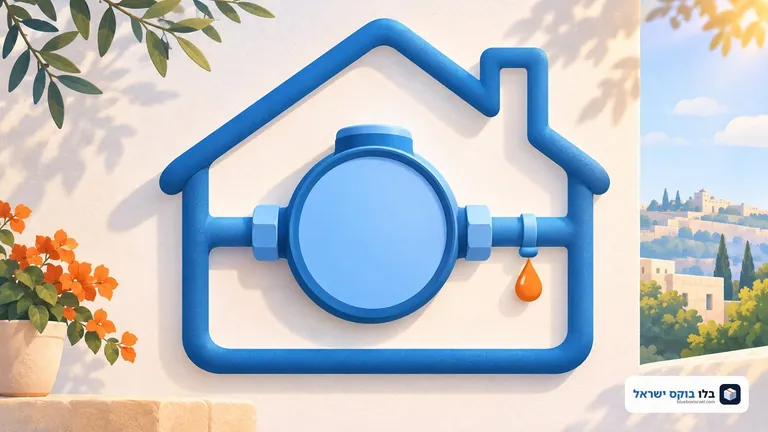
Every tap is closed, the washing machine is off, yet the water meter still records consumption. That is a reason to investigate a possible leak. First, however, establish that you are watching your own flat's meter and that all water use has actually stopped. A higher bill alone does not locate a problem. It may reflect a change in household habits or a charge connected with the building's shared system.
At the end of November, while reviewing household bills and maintenance before winter, set aside a quiet moment in daylight for this check. It does not require taking pipes apart or trying to repair a meter. The aim is to assemble a clear account of what was measured, when, on which meter and what changed at home. That information will help both a tradesperson and the water supplier understand the enquiry.
First establish which part of the bill increased
Put the latest bill beside the previous one and look at the water quantity and billing period before concentrating on the amount payable. Two different charges do not necessarily represent quantities that changed in the same proportion. Confirm that the address and details belong to the correct property and that you are not comparing periods of different lengths. Mark any unclear line for a question instead of guessing what it means.
The water-bill explanation published by the Mei Sheva utility separates private consumption from the main meter's data and the measurement difference. That distinction matters. Consumption inside your flat may have barely changed while the shared component increased. In that situation, checking only the kitchen tap will not answer the question raised by the bill. Write down the two components separately so the investigation starts with the right issue.
Also reconstruct what happened at home during that period. Staying guests, building work or a different pattern of use are relevant details, but none automatically explains every increase. The Sharonim utility notes that a change in occupants or consumption habits can raise use without a leak. Record changes you know happened, rather than choosing possible explanations because they seem convenient afterwards.
Identify the correct meter before taking a photograph
In a building with a row of similar meters, confusion is easy. Match the meter number on the bill to the number on the device, rather than relying only on a label beside it or its position in the row. Mei Sheva explains that this number identifies the property and customer. If the numbers do not match, stop and ask the supplier to clarify the assignment instead of collecting readings from somebody else's flat.
Photograph the meter clearly enough to show its number and reading, and keep the date and time with the image. This is a practical record-keeping suggestion, not an official form or a substitute for a professional inspection. Keep the original photograph rather than only a reduced copy sent to a family messaging group. If another person takes over the enquiry, they should be able to identify the device and the stage at which the reading was taken.
Do not assume that every meter looks or behaves alike. A mechanical meter may have a rotating indicator; a digital model may show changing figures. Do not turn calibration parts, open connections or remove seals to work out the display. If you cannot interpret the figures, ask the supplier for guidance on the model installed at your property. A clear photograph will help you describe the question accurately.
Create a period with no water use
Arrange a short check with everyone at home during which no taps are opened and no water-using equipment operates. Make sure the washing machine and dishwasher are not partway through a programme, and that scheduled irrigation is not about to start. If somebody uses water during the check, note it and begin again. Comparing readings is unhelpful when you do not know what happened between them.
According to Mei Avivim's guidance on checking unusual water consumption, consumption recorded while the taps are closed can indicate a leak. The utility also suggests comparing readings before and after an extended break in water use. Choose a suitable time for your household and record the beginning and end, rather than relying on a memory that the meter looked different earlier.
A suspicious result is a reason for an investigation, not a diagnosis of the fault's location. Equally, a quiet result does not explain every damp patch or every change in a bill. If a sign persists, pass it to the professional along with your readings. Describe exactly what you observed, such as a changed reading while the appliances were off. You need not decide in advance that a pipe inside the wall has broken or the meter is defective.
Look for visible signs without turning the check into a repair
Review accessible water points: a dripping tap, water continuing to pass through a toilet cistern, a visibly wet connection or a new mark beside an appliance. Water utilities identify cisterns, taps and water-heating equipment among the places to check. Looking does not require dismantling. Do not climb onto a wet roof, open an electrical appliance or work on a connection you are not qualified to handle.
If you find a sign, photograph it and record the room or area. Separate observation from assumption in your description. A wet floor beside a cupboard is an observation; deciding that the pipe behind it is responsible still requires investigation. This distinction helps a tradesperson understand what needs checking and avoids commissioning work unrelated to the actual source of the problem.
When booking a professional, explain whether the issue concerns a flat, a private garden or a shared area, and what you have already checked. Ask what the inspection includes and what will be documented afterwards. If you rent, inform the property owner and retain the correspondence. This is a suggested way to organise the work, not a ruling on who must pay in every case. Responsibility and charges depend on the relevant circumstances and agreements.
A building-wide increase needs a shared investigation
Mei Sheva defines the measurement difference as the gap between the quantity passing through the main meter and the total recorded by the individual meters during the same billing period. It can include watering and washing shared areas, and sometimes leakage from shared pipes. A high shared component therefore does not prove that a neighbour used your water, nor does it identify a particular flat on its own.
Send the relevant bill entry and dates to the building committee, known in Israel as the va'ad bayit, and ask whether there was maintenance work, unusual irrigation or a known fault. Sharonim recommends involving the committee and an appropriate professional when checking shared systems. Do not independently shut off neighbours' water or operate fire-system valves to carry out an experiment.
Consider appointing one person to coordinate the enquiry and replies. A shared update can distinguish what has been found from what remains under investigation and state when another update is expected. This helps avoid duplicate bookings and conflicting accounts of the same fault. After a shared repair, retain the documents somewhere a future committee will also be able to find them.
Common mistakes: an alert is not a diagnosis, and credit is not automatic
A remotely read meter can help identify unusual consumption, but the absence of an alert should not be your only evidence. Mei Sheva describes operational limitations in some systems, including circumstances where data transmission is incomplete. Ask the supplier what is available at your property. Do not assume that a newly installed meter means every possible leak will immediately trigger a phone notification.
Another mistake is submitting a request for billing relief without documenting the repair. Palgey Motzkin and Mei Modiin describe the need for supporting evidence and the applicable conditions. Retain an invoice or work confirmation, the repair date and a description of what was found. Ask your supplier for its current form and submission deadline. Do not copy a tariff or condition from an old page belonging to another utility.
A request for leak-related relief is different from a bill enquiry. If the cause remains unclear, say so and ask which procedure fits the problem. Do not assume that opening an enquiry cancels the charge or changes its payment date; obtain clear instructions from the supplier about the bill under review. This is general information, not legal advice or a determination of individual eligibility.
Finish with an organised record and a repeat check
After the repair, return to the recording method you used at the start. Note a fresh reading and the conditions of the check, then keep the result with the work confirmation. If the concern continues, you now have a focused basis for another enquiry. The aim is not a pile of photographs but a short, understandable sequence: the concern, the check, the finding, the repair and what happened afterwards.
- Match the meter number on the bill to the device at the property.
- Separate private consumption from shared measurement differences.
- Record two readings during a period without water use.
- Pass observations and readings to a professional or the building committee as appropriate.
- Keep repair evidence and ask the supplier which procedure and deadlines apply.
- Repeat the record after repair and retain the supplier's response.