Who qualifies as a certified gas technician?
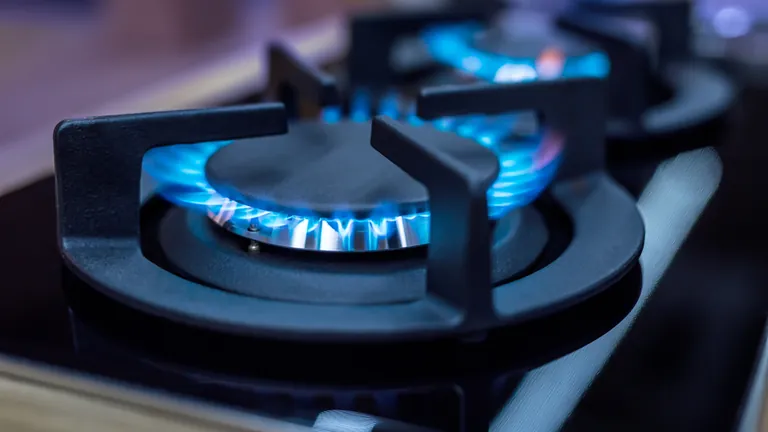
Not everyone with technical aptitude and an understanding of gas can be a certified gas technician. To work professionally as a gas technician today, every technician must meet Ministry of Labor requirements and obtain a special license from the ministry after extensive study in gas technology. These courses, held at vocational colleges nationwide, include practical training in installing, repairing and assembling domestic gas systems. Gas technicians also learn to assemble and repair systems in industrial buildings, which are usually larger and more substantial than domestic ones. Alongside practical studies, they learn about gas types, workplace safety, precautions and the laws applying to gas technicians and the gas companies that employ them.
What does a gas-technician course cover?
This course, which trains gas technicians and gives them the certification required to practice in Israel, covers LPG, short for liquefied petroleum gas. For domestic gas users who are not specialists, this is simply the cooking gas used at home. Technicians study its components and properties, what happens to it under high or low pressure and the purposes it serves. The course provides knowledge of building and assembling LPG systems, meaning domestic gas-use systems. It offers two certification levels: Level 1 gas installer and Level 2 gas installer. Each person chooses a certification level according to their employment ambitions, and the program follows the requirements of the Ministry of Industry, Trade and Labor.
The Level 1 gas-installer course is attended by people who want a career as gas technicians, assistants to gas-system installers, gas-company service technicians and maintenance managers at companies with industrial gas systems. This is the appropriate route for a certified gas technician seeking regular work in the range of positions described here. After completing it and gaining experience working as a gas technician, they can continue to the Level 2 installer course and open the door to more senior jobs in Israel's gas sector.
Toward the end of the course, trainee technicians take various examinations. These are the certification required by the Ministry of Labor. After passing with the appropriate grade, technicians can receive a Level 1 or Level 2 gas-installer certificate, depending on the course.
Why does this matter to consumers?
We may need to call a gas technician more than once or twice. It can happen when the gas at home stops working even though we know the cylinders contain enough gas, when we smell or suspect a leak, or when the kitchen gas pipe and valve are not working properly. These and other situations require a certified gas technician. Certified technicians can usually be found working as service technicians for the major gas companies supplying domestic systems to Israeli homes.
In other cases, following the gas company's instructions, we can contact an independent certified gas technician. Then it is important to check that the technician completed the appropriate course recognized by the Ministry of Labor, passed the examinations and received certification. This check is especially crucial in the gas sector, which can be extremely dangerous and must be thoroughly understood by anyone working in it. As responsible consumers concerned about our health and that of everyone at home, we must ensure the visiting technician has completed every legally required qualification, so we can feel completely at ease and use our domestic gas system safely and correctly.