Secondary cataract and secondary cataract surgery: what to know
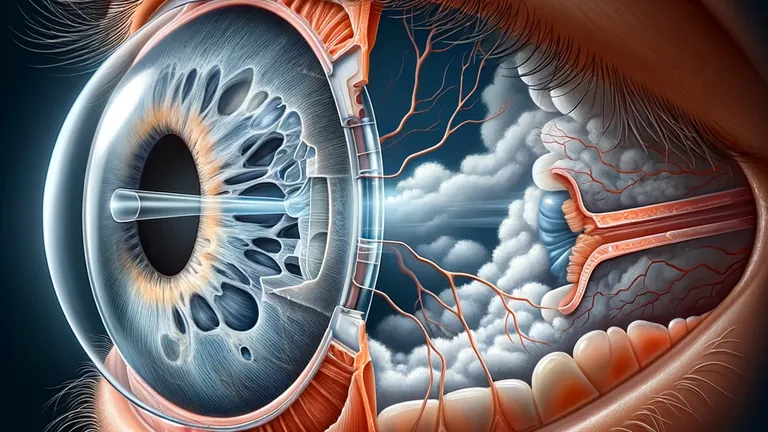
Cataract is a common eye condition that can cloud vision and cause a gradual decline in sight. Although cataract surgery is a successful and common procedure for removing cataracts, secondary cataract may develop afterward. Here we explain what secondary cataract is, what causes it, its risk factors and treatment options, including secondary cataract surgery.
What is secondary cataract?
Secondary cataract, also known as posterior capsular opacification (PCO), is a common complication that can occur after cataract surgery. During cataract surgery, the cloudy lens inside the patient's eye is removed and replaced with a clear artificial lens, an intraocular lens or IOL. This artificial lens is positioned behind the lens capsule, the thin membrane that once surrounded the natural lens. In some cases, the lens capsule can become cloudy and affect vision, a condition called secondary cataract. Its symptoms resemble those of the original cataract and may include blurred or hazy vision, glare or light sensitivity, difficulty reading and, in some cases, double vision.
Causes of secondary cataract
The main cause of secondary cataract is the regrowth of lens cells on the posterior capsule. This regrowth can occur months or even years after the original cataract operation. These new cells can blur vision and cause symptoms similar to those of an ordinary cataract. Although the exact cause is not always clear, it can be attributed to various factors, including the patient's age, the type of IOL used and the surgical technique employed during cataract removal.
Risk factors for secondary cataract
As noted, several factors may increase the risk of developing secondary cataract:
- Age: older people are more prone to secondary cataract.
- IOL type: the choice of intraocular lens can affect the likelihood of developing secondary cataract.
- Genetics: a family history of cataracts may increase the risk.
- Health conditions: certain medical conditions, such as diabetes, can increase the likelihood of secondary cataract.
- Smoking: smoking is associated with a greater risk of cataracts, including secondary cataract.
Treatment methods for secondary cataract
The most effective treatment for secondary cataract is a simple, safe procedure known as secondary cataract surgery or YAG laser capsulotomy. This procedure uses a YAG laser to create an opening in the cloudy posterior capsule. The laser treatment is quick, usually taking only a few minutes, and in most cases no anesthesia is required. After secondary cataract surgery, vision usually improves rapidly, and no stitches or eye dressing are needed.
Conclusion
Secondary cataract can be a frustrating complication after cataract surgery, but it can usually be treated easily with secondary cataract surgery. Regular eye examinations can help detect the condition early, ensure prompt treatment and maintain clear vision. If you experience any changes in your vision or suspect that secondary cataract has developed, consult your ophthalmologist for appropriate assessment and treatment.
More information about secondary cataract and cataract surgery is available on Professor Michael Mimouni's website.