How Does Physical Work Affect Sleep?
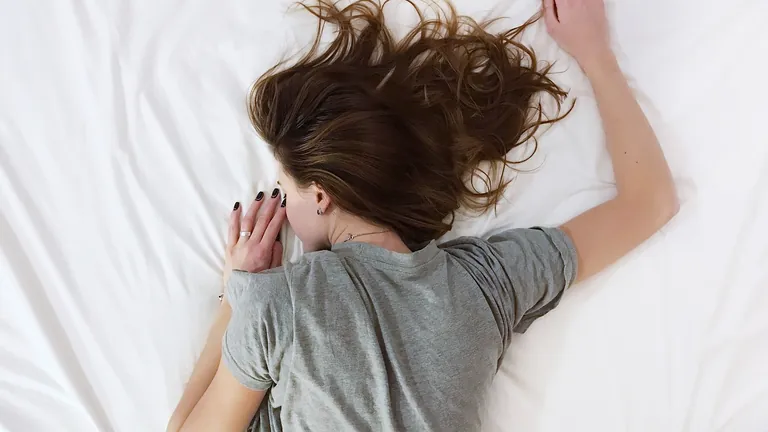
Physical work can affect sleep in many ways, both positively and negatively. It depends on exactly what you do, how many hours a day you work, what you eat and whether you eat regularly, how consistently you keep regular sleep hours, and so on. Read on.
Positive effects of physical work on sleep
Whether you clean high-rise windows, spend all day installing lifeline systems on roofs, carry out waterproofing, renovations or other work, bear in mind that physical tiredness can make falling asleep at night easier.
Physical work during the day also makes it easier to enter deeper sleep once you have fallen asleep. We also recommend learning about the following benefits of strenuous work:
- Serotonin release: physical activity increases serotonin production, which in turn can help regulate sleep and mood. That is why most doctors, when asked about sleep problems, will recommend starting some form of physical activity.
- Activity at the right time: exercising too late in the day can overstimulate the nervous system, making it harder to fall asleep. Earlier activity, on the other hand, can help muscles relax, which in turn helps you sleep better.
- Hormonal changes: whether you are working at height or doing other strenuous work, physical activity can affect levels of certain hormones, such as cortisol, which can in turn make sleeping at night more difficult.
Tips for sleeping well after physical work
First, avoid exercising too late in the day. Instead, try to finish your workouts at least three or four hours before bedtime. Bear in mind, too, that a long, warm shower can do a great deal to calm body and mind. It is therefore strongly recommended to create a comfortable sleep environment and make sure your bedroom is dark, quiet and pleasant.
To conclude, we emphasize this point: whether you do Google search optimization in your office or work under the scorching sun, remember that a regular sleep routine is something built over time.
Over time, you can improve your sleep quality as long as you exercise appropriately at the right times, eat healthily and avoid caffeine or alcohol before bed. If, despite these various tips, you still have a chronic sleep problem, it may be time to see a doctor or visit a sleep laboratory.
Image credit: PIXABAY