A stye in the eye: why it happens and how to treat it
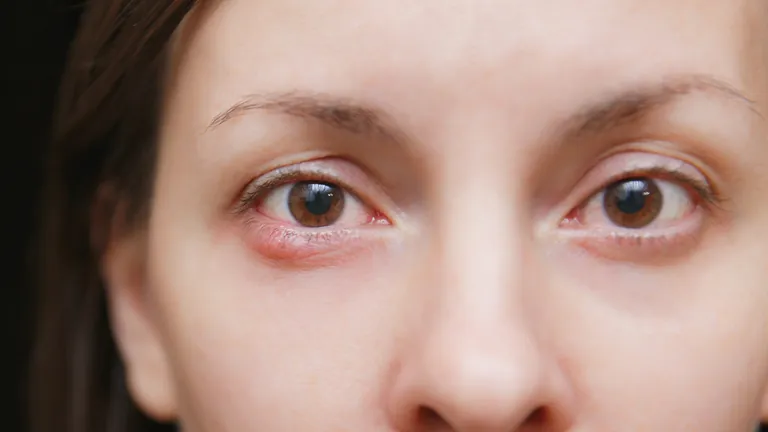
Do you know that feeling when you wake up with a slightly heavy, strange sensation in your eye, go to brush your teeth and suddenly see an alarming swollen eye in the mirror? You are not alone, and like many people, you may have a stye.
A stye is a type of abscess caused by inflammation in an oil gland along the edge of the eyelid. It is essentially a buildup of pus.
Why does it happen?
When an oil gland does not function properly, it tends to become blocked, causing secretions to accumulate. Sometimes those secretions also reach the tissues surrounding the gland, which can cause inflammation.
Styes occur particularly in people who frequently experience eyelid inflammation and other problems around the eyelids.
What are the symptoms of a stye?
- A burning eye and a feeling of irritation.
- Swollen, red eyelids.
- A painful bump on the eyelid.
- Sometimes a yellow point appears at the top of the bump, indicating pus, just like a pimple.
- If the bump is particularly large, it may put pressure on the eye and sometimes interfere with vision.
Can a stye be dangerous? When should you see a doctor?
If you notice swelling, redness or pain in your eyelid, see an ophthalmologist for an examination and appropriate treatment.
Is a stye contagious?
The answer is unequivocally no. A stye is not an infectious disease, and a localized infection is therefore not considered contagious either, just as a pimple on the tip of your nose is not contagious.
How should a stye be treated?
First, see a doctor to confirm that you do indeed have a stye. If you do, the doctor will probably recommend the following treatment: apply warm compresses to the swelling around the eye several times a day as needed, for a few days.
The compresses help soften the swelling and allow the secretions to drain. To prepare a suitable compress, dip gauze or a clean towel in warm water. Be careful not to burn your eye! Tea bags are not recommended because the tea's color could stain tissues in the eye. Another treatment a doctor may recommend is an eye ointment containing steroids.
The ointment should not be applied after day 10 to 14 of the stye because it will not be effective. Remember that eye drops and ointments are medicines and must not be used without a doctor's prescription.
Another option is to apply a warm hard-boiled egg, wrapped in a towel or bandage to prevent a burn, and gently massage the swollen area.
Clinic for treating styes and dry eye: https://dryeye.co.il/