Electricity storage beside reservoirs and fishponds: proposed planning changes and the checks still required
The National Planning Council is advancing changes for energy storage facilities, including additional location options and licensing adjustments. The 6 October decision sends the proposal for public comments and objections; it is not final approval for a facility beside a particular community.
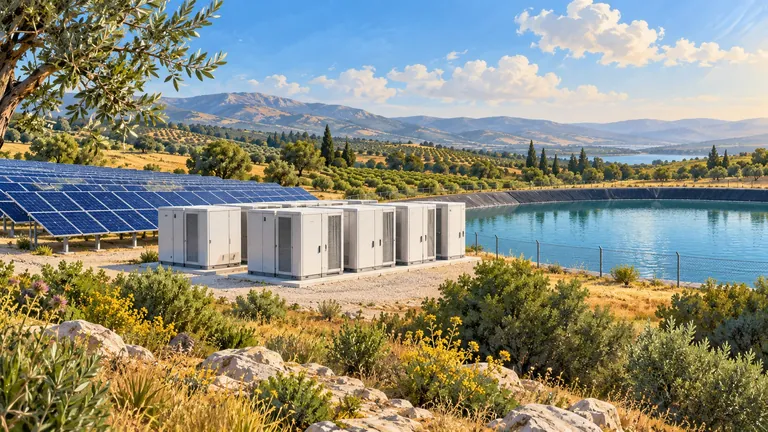
According to a Sponser report of 6 October 2026, citing the Planning Administration's announcement, the National Planning Council decided to submit Amendment No. 2 to TAMA 1/19 (the national outline plan), its energy storage facilities chapter, for comments and objections. At this stage, this advances a change to the planning framework rather than immediately opening a route to installing facilities at every seemingly suitable site.
A solar installation and a storage system can serve complementary purposes, but even where panels already exist, building a storage facility requires examination of the location and applicable conditions. This is the context for the initiative advanced by the Planning Administration and Ministry of Energy: adapting national provisions to experience gained from implementing them.
Where broader options are proposed
One provision concerns storage facilities accompanying solar panels on reservoirs and fishponds within designated landscape areas. Under the proposal described in the reports, these would be allowed subject to conditions and individual examination. Preference would be given to adjacent built-up land to reduce the impact on the landscape.
The proposal also includes adjustments for industrial areas, a change to the upper threshold defining a large storage facility, and clarification of the stages for obtaining opinions and approvals from Fire and Rescue Services. The publication provides no basis for concluding that fire checks have been abolished or that a particular location has already been approved.
What changes for residents and businesses now
Bizportal emphasises in its report that further approval procedures are required. A family, business or community considering a storage system therefore cannot treat the headline as a building permit or a promise that the proposal applies to its plot.
Ask whoever is advancing a project to show three things separately: the valid provision they rely on, the exact location and the current approval stage. A general answer that the state is easing storage rules does not replace those details. This is practical advice for checking, not a list of binding legal requirements.
Why the location also matters
Public discussion does not end with whether storage is needed. A resident near a reservoir, agricultural land or industrial area also has questions about the particular project: how much land it will occupy, how the facility will look from homes or the road, and where its planning and safety documents can be read.
Do not assume a national announcement answers those questions. Ask for a plan number or application details and a link to the relevant documents. If an option on adjacent built-up land is presented, ask why it was chosen and which alternatives were examined.
How to check what is planned nearby
One starting point is the Planning Administration's planning information system, which offers searches by address and status. You can also contact the engineering department or local planning committee and ask for help finding the relevant file.
The reports reviewed did not provide a closing date for comments or full submission instructions for the new amendment. Before submitting a document, locate the official publication and check whom to send it to, which procedure applies and the deadline. Do not assume the submission period has already begun, ended or matches that of another local plan.
For more articles on energy, water and land use: the environment section.